

Powering entire regions with clean, scalable solar energy
Turn Empty Land Into Revenue Generating Solar Assets


What is a Solar Park?
Transforming Land into Sustainable Energy for Growth
A solar park is a large-scale, grid-connected solar installation designed to generate massive amounts of clean energy. At Kondaas Solar, we specialize in building utility-scale solar parks that supply power to industries, public infrastructure, and state utilities. From land acquisition to regulatory approvals and end-to-end execution, our expertise ensures every project is efficient, future-ready, and built for long-term performance.
Solar Energy Flow Diagram
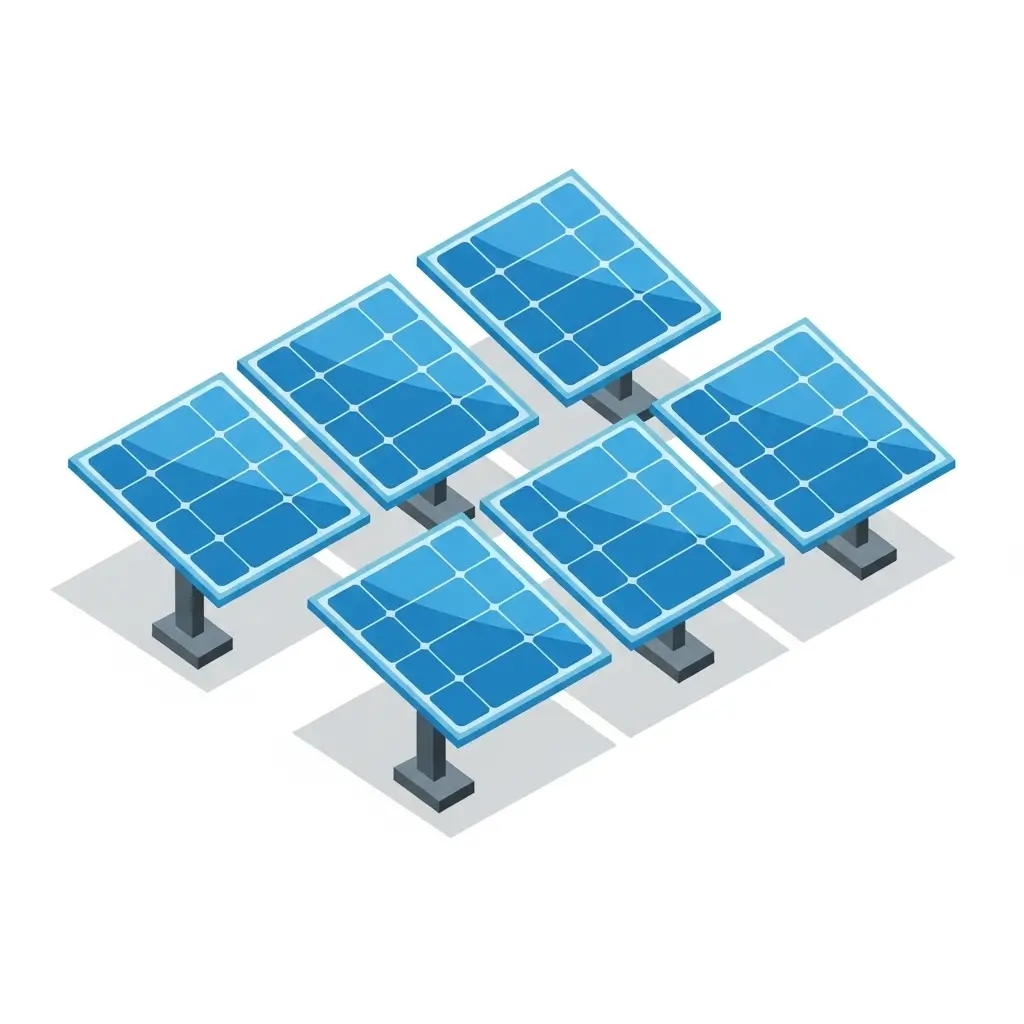
Large arrays of photovoltaic (PV) solar panels absorb sunlight. Each panel contains solar cells that convert the sun's energy (photons) directly into direct current (DC) electricity through the photovoltaic effect. This is the initial stage where raw solar energy is harnessed.
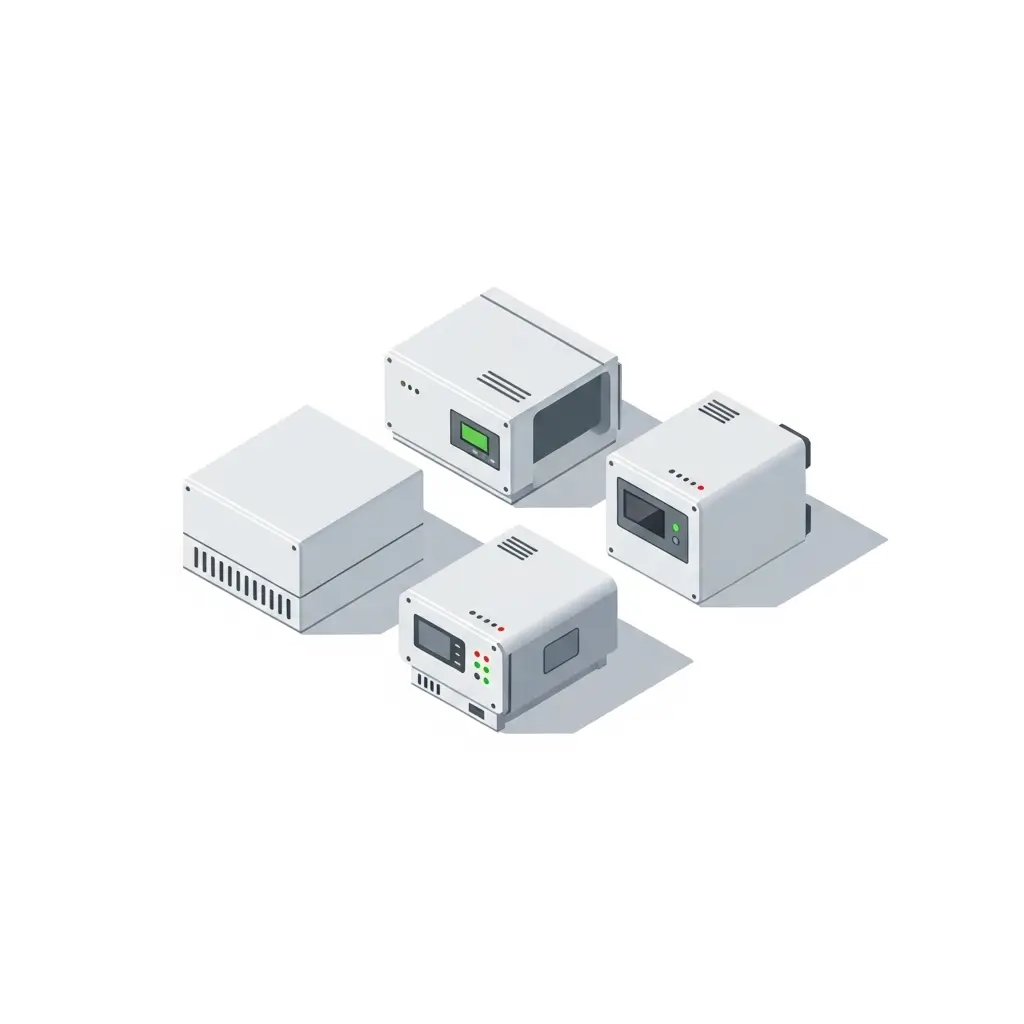
The DC electricity generated by the solar panels is then routed to inverter units. These crucial devices convert direct current (DC) into alternating current (AC) electricity. AC is the standard form of electricity used in homes, businesses, and the national power grid.
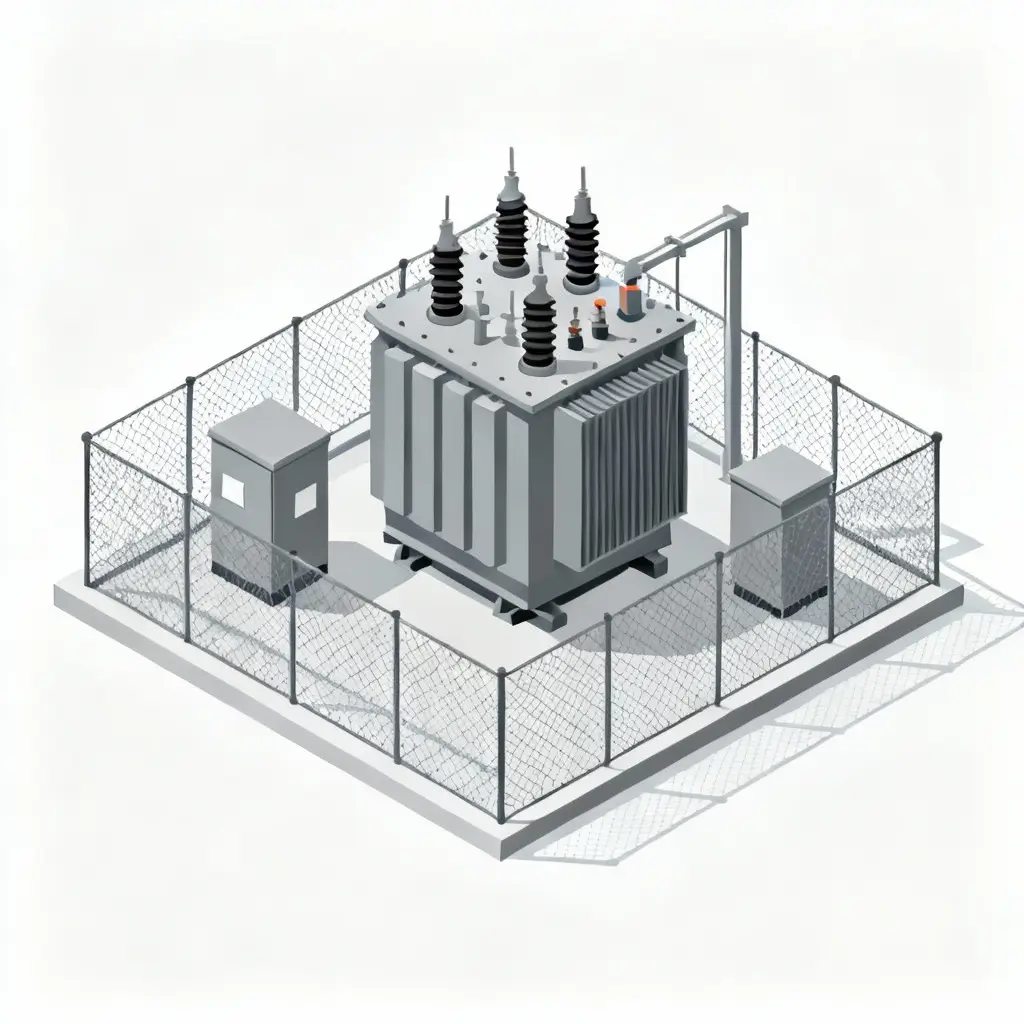
Once converted to AC, the electricity flows to a transformer substation. Here, large transformers increase the voltage of the electricity. Stepping up the voltage is essential for efficient and cost‑effective long‑distance transmission, minimizing energy loss over power lines.
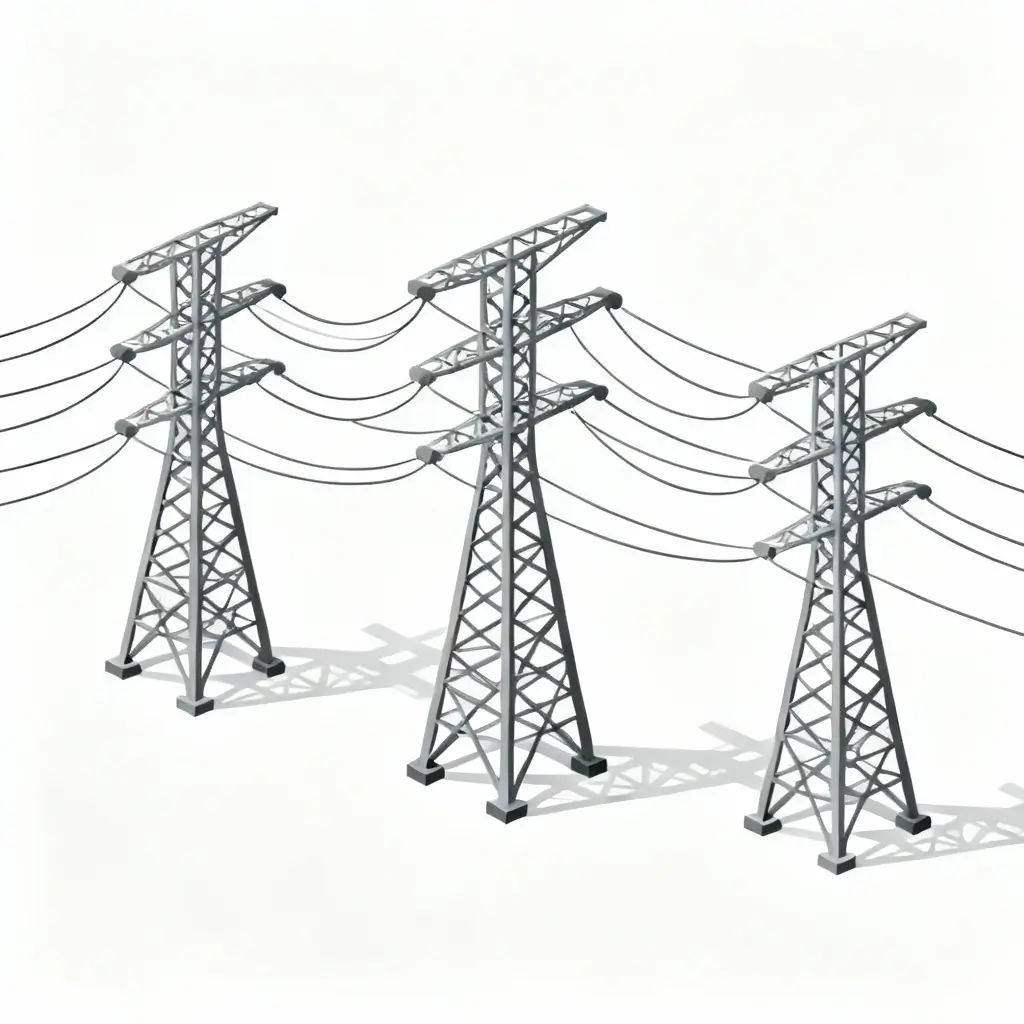
From the transformer substation, the high‑voltage AC electricity is fed into robust transmission lines, carried by tall transmission towers. These lines form part of the larger electrical grid, transporting the power across vast distances to population centers.
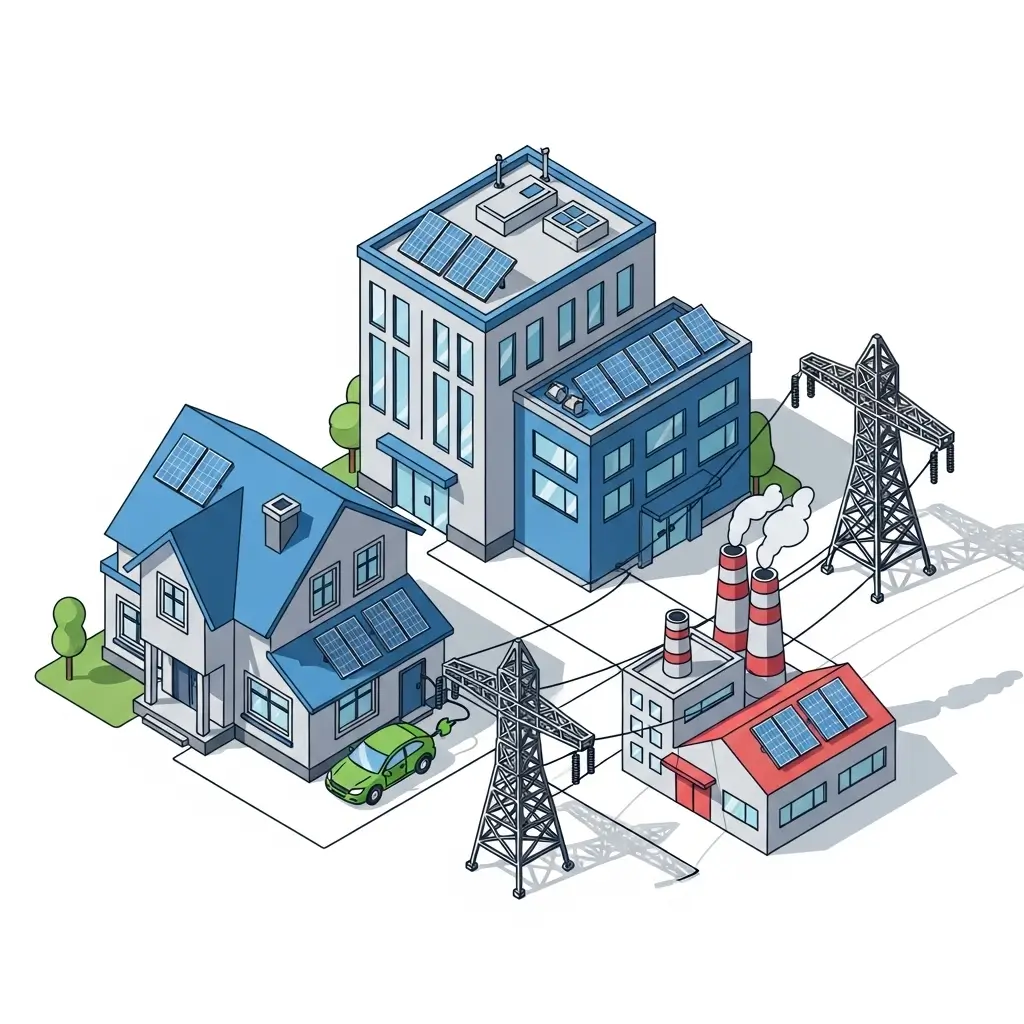
The electricity travels through the grid and is eventually distributed to various end‑users. This includes lowering the voltage for safe use in residential homes, commercial buildings, factories, and for charging electric vehicles. This is the point where power becomes accessible to consumers.
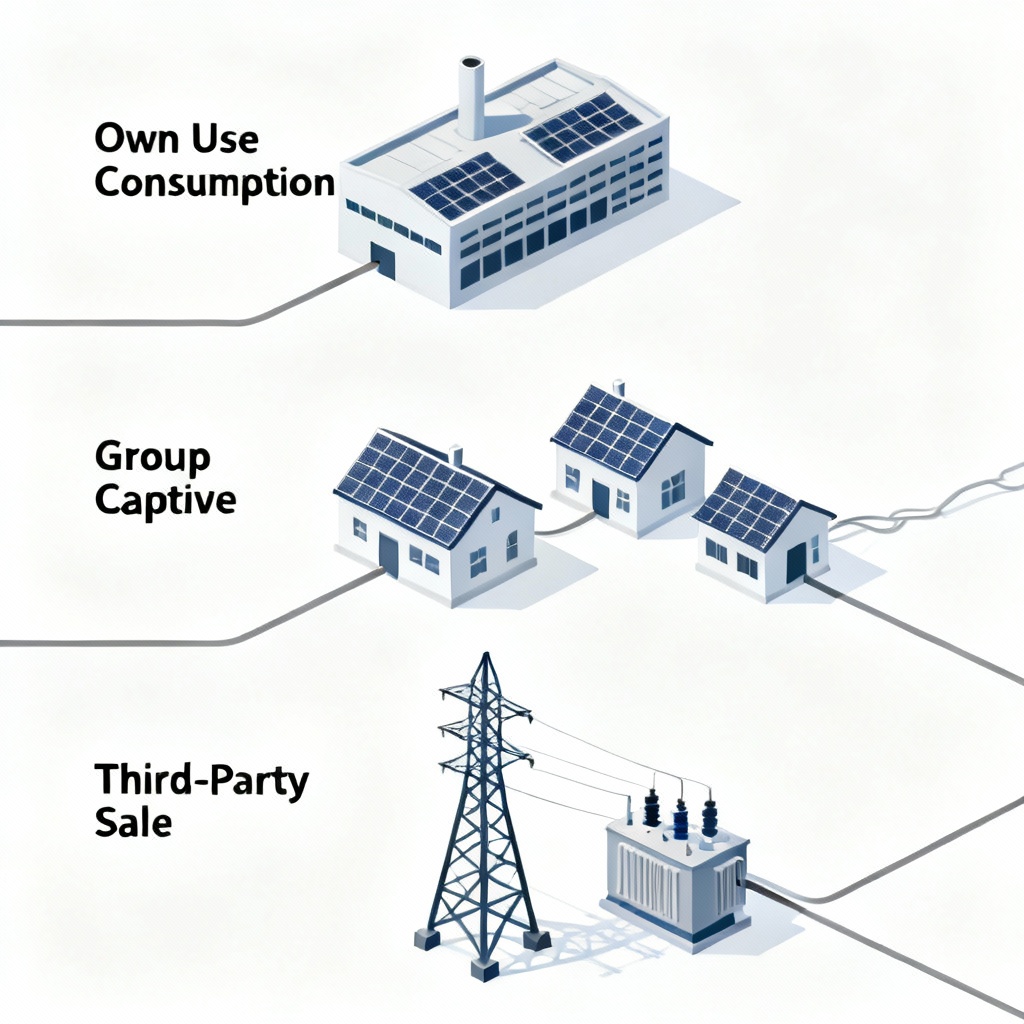
- Own Use (Captive): Generate power solely for one's own consumption, saving costs.
- Group Captive: Multiple businesses share investment and power from a single solar park.
- Third-Party Sale: Solar park sells power to utilities or other businesses via agreements.
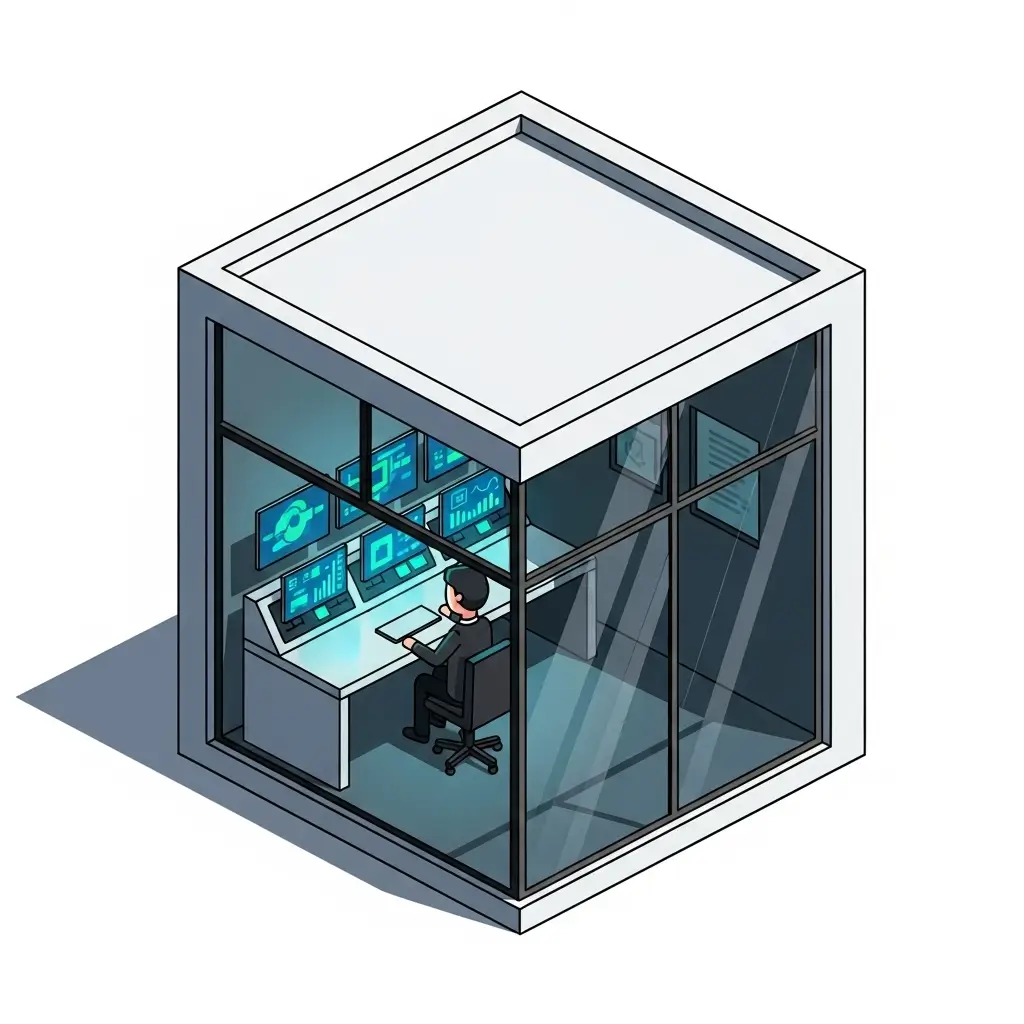
Throughout the entire process, a dedicated control room continuously monitors the solar park's performance. Technicians track energy output, identify any faults or inefficiencies, and manage maintenance schedules to ensure optimal operation, reliability, and safety of the power generation system.
Industries We Power
Industries Benefiting from Kondaas Solar Parks
Our Completed Projects for Manufacturing Units Across South India
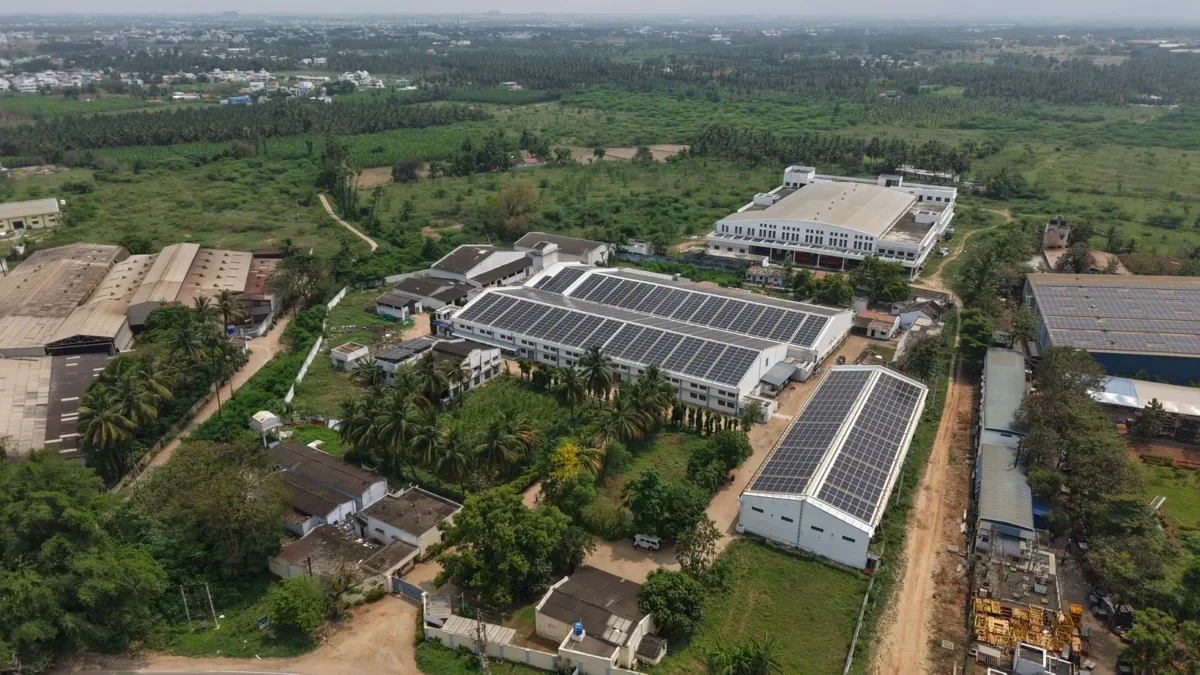
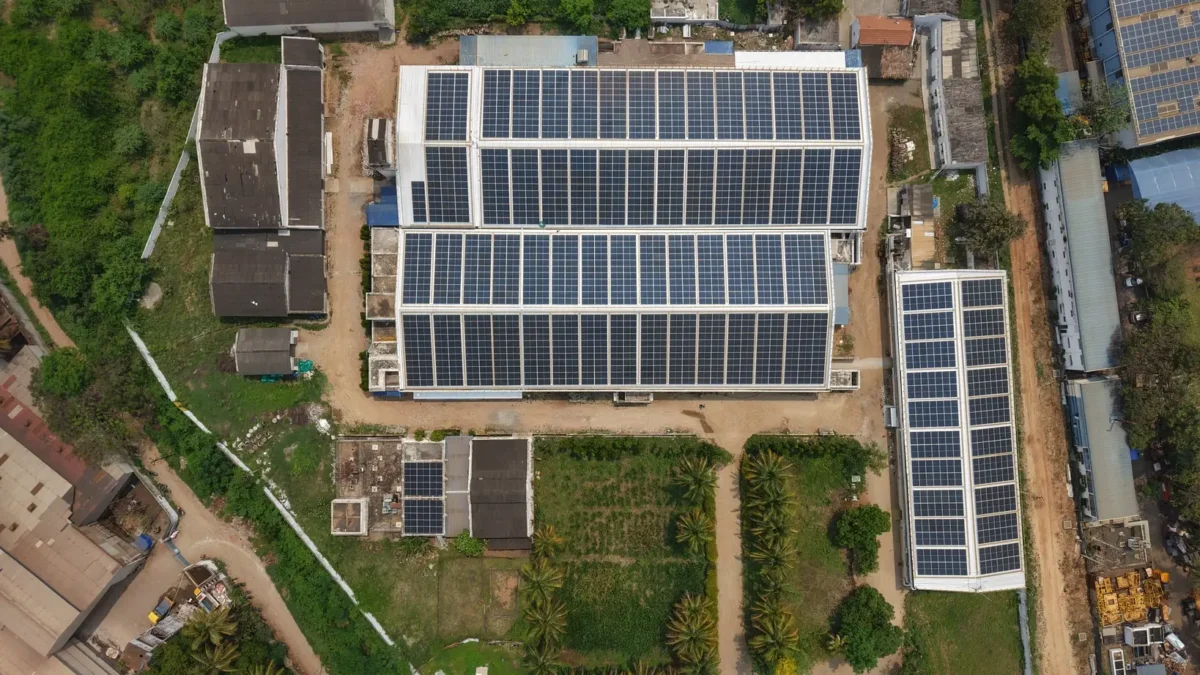
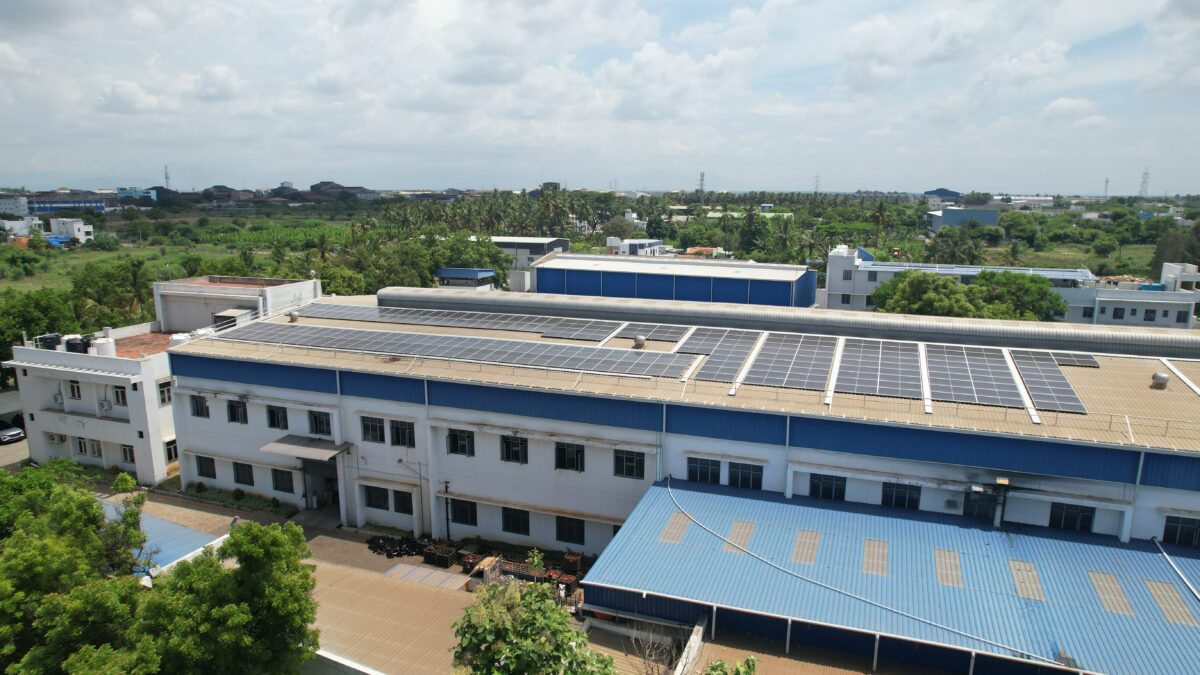
Our Completed Projects for Institutions Across South India
Our Completed Projects for Textile Industries Across South India
Our Completed Projects for IT Companies Across South India
Achievements
Top Industry Certifications We Hold
Our Products
Branded Equipment for Scalable Solutions

Lithium Ion Battery in India – Reliable, Long-Life Energy Storage Solutions
Lithium-ion batteries deliver long service life, fast charging, and zero maintenance. Designed for Indian power

Solis-(100–125)K-5G Three-Phase Grid-Tied Inverter
The Solis-(100–125)K-5G series combines 10 MPPTs, up to 99% efficiency, and advanced safety features. Built

SolarEdge SE25K / SE30K / SE33.3K Three-Phase Inverter
The SolarEdge SE25K, SE30K, and SE33.3K three-phase inverters are optimized for use with SolarEdge power

SOFAR 3.3K~12KTLX-G3 Three-Phase Dual MPPT Inverter
The SOFAR 3.3K~12KTLX-G3 series offers efficient three-phase dual MPPT inverters with up to 98.6% efficiency.

Sungrow SG125HX Multi-MPPT String Inverter
The Sungrow SG125HX is a powerful 1500 Vdc string inverter built for utility-scale solar plants.

SMA SOLID-Q 50 Inverter
The SMA SOLID-Q 50 is a reliable, high-yield inverter built for large commercial rooftops and

Growatt MID 11–30KTL3-XH Three Phase Inverter
The Growatt MID 11–30KTL3-XH is a high-efficiency three-phase inverter designed for residential and commercial solar

Hybrid Inverter SUN-8/10/12K-SG04LP3
A high-performance three-phase hybrid inverter designed for residential and commercial solar systems. It supports both

Adani Solar ELAN SHINE TOPCon Series (550W–575W Bifacial Panels)
The Adani ELAN SHINE TOPCon series offers high-efficiency bifacial solar panels ranging from 550W to

10 KW Adani Bifacial TOPCon Solar Panel System
The 10 KW Adani Bifacial TOPCon system is designed for superior efficiency, delivering high output
Our Insights
Big Power, Big Savings with Kondaas Solar Parks
Find Us
Common Questions
About Our Services
Who can benefit from a solar park?
Large industries, power distribution companies, and government bodies looking for cost-efficient, renewable power.
How long does it take to set up a solar park?
Depending on capacity, Kondaas Solar Parks are typically commissioned within 6–12 months.
Are subsidies or incentives available for solar parks?
Yes, both state and central governments provide schemes that can significantly reduce project costs.
What is the minimum land required for setting up a solar park?
On average Solar Parks require about 4–5 acres of land per MW of installed capacity