

Solar Parks in India: 1 MW to 500+ MW Turnkey EPC
From land acquisition to grid connection, Kondaas delivers end-to-end solar park development that turns idle land into a long-term revenue-generating asset.


What is a Solar Park?
Transforming Land into Sustainable Energy for Growth
A solar park is a large-scale, grid-connected solar installation designed to generate massive amounts of clean energy from a single location.
India is home to some of the world's largest operational solar parks, including:
1, Bhadla Solar Park (Rajasthan) - The largest solar park in the world, spanning 14,000 acres with a 2,245 MW capacity in the Thar Desert.
2, Pavagada Solar Park (Karnataka) - Also known as Shakti Sthala, this 2,050 MW park was built on leased, drought-hit farmland, giving local farmers a steady monthly income.
3, Rewa Ultra Mega Solar Park (Madhya Pradesh) - A 750 MW project known for record-low tariffs, supplying clean power directly to the Delhi Metro.
How many solar parks are in India - Explore the full list, the largest solar park details.
Solar Energy Flow Diagram
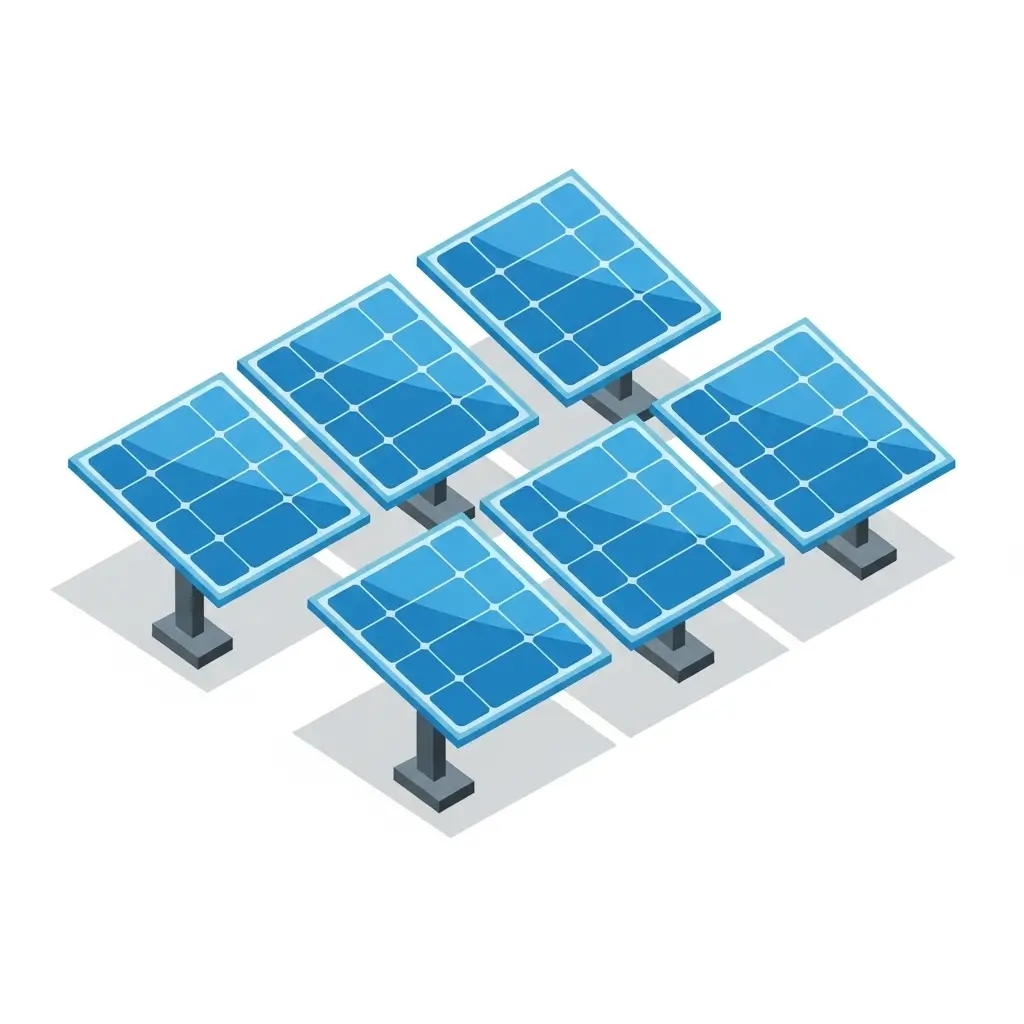
Large arrays of photovoltaic (PV) solar panels absorb sunlight. Each panel contains solar cells that convert the sun's energy (photons) directly into direct current (DC) electricity through the photovoltaic effect. This is the initial stage where raw solar energy is harnessed.
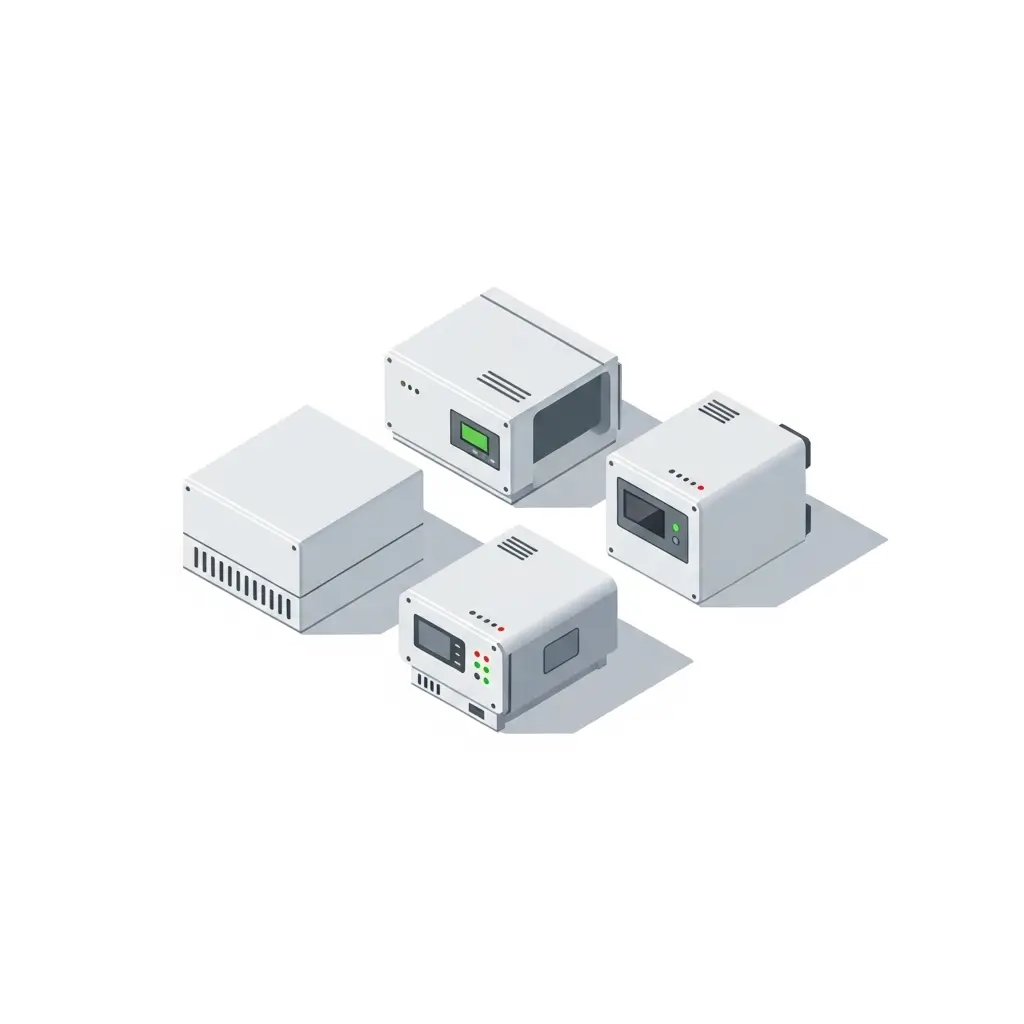
The DC electricity generated by the solar panels is then routed to inverter units. These crucial devices convert direct current (DC) into alternating current (AC) electricity. AC is the standard form of electricity used in homes, businesses, and the national power grid.
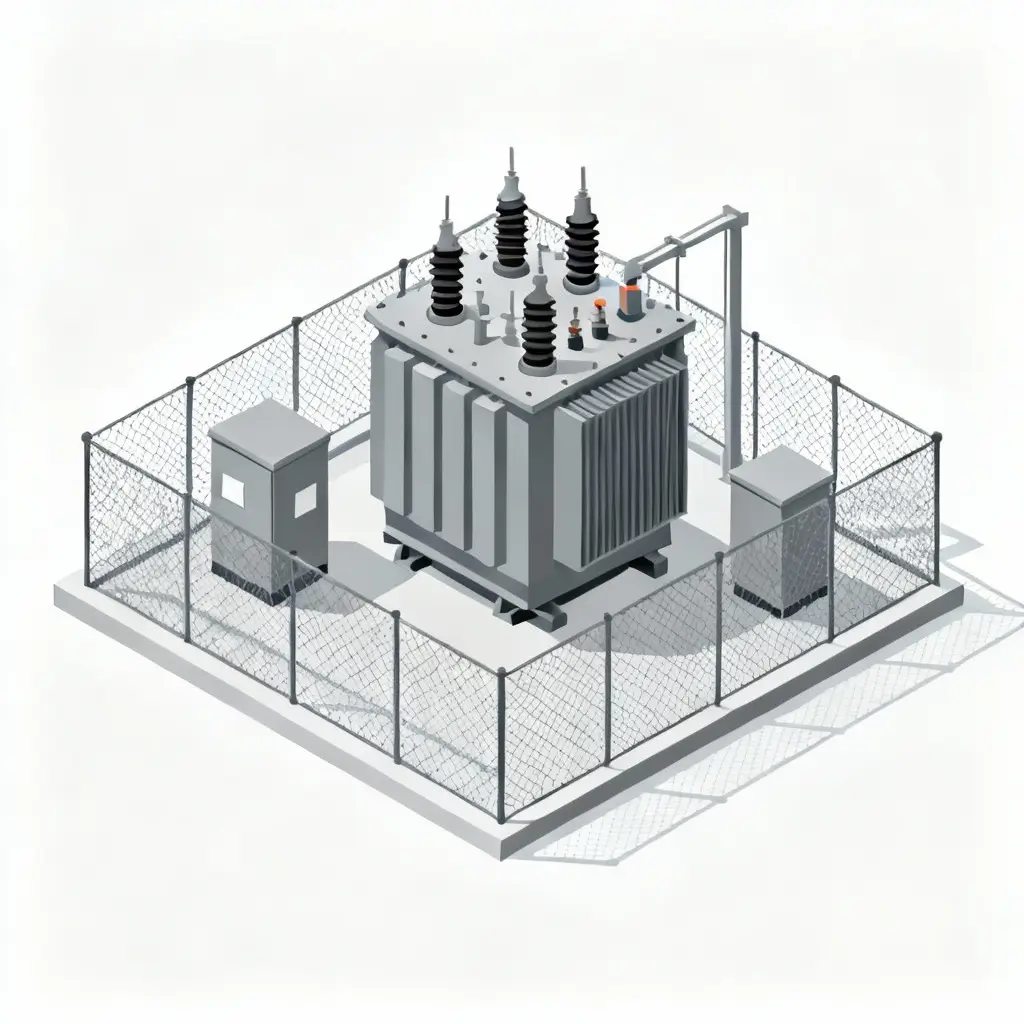
Once converted to AC, the electricity flows to a transformer substation. Here, large transformers increase the voltage of the electricity. Stepping up the voltage is essential for efficient and cost‑effective long‑distance transmission, minimizing energy loss over power lines.
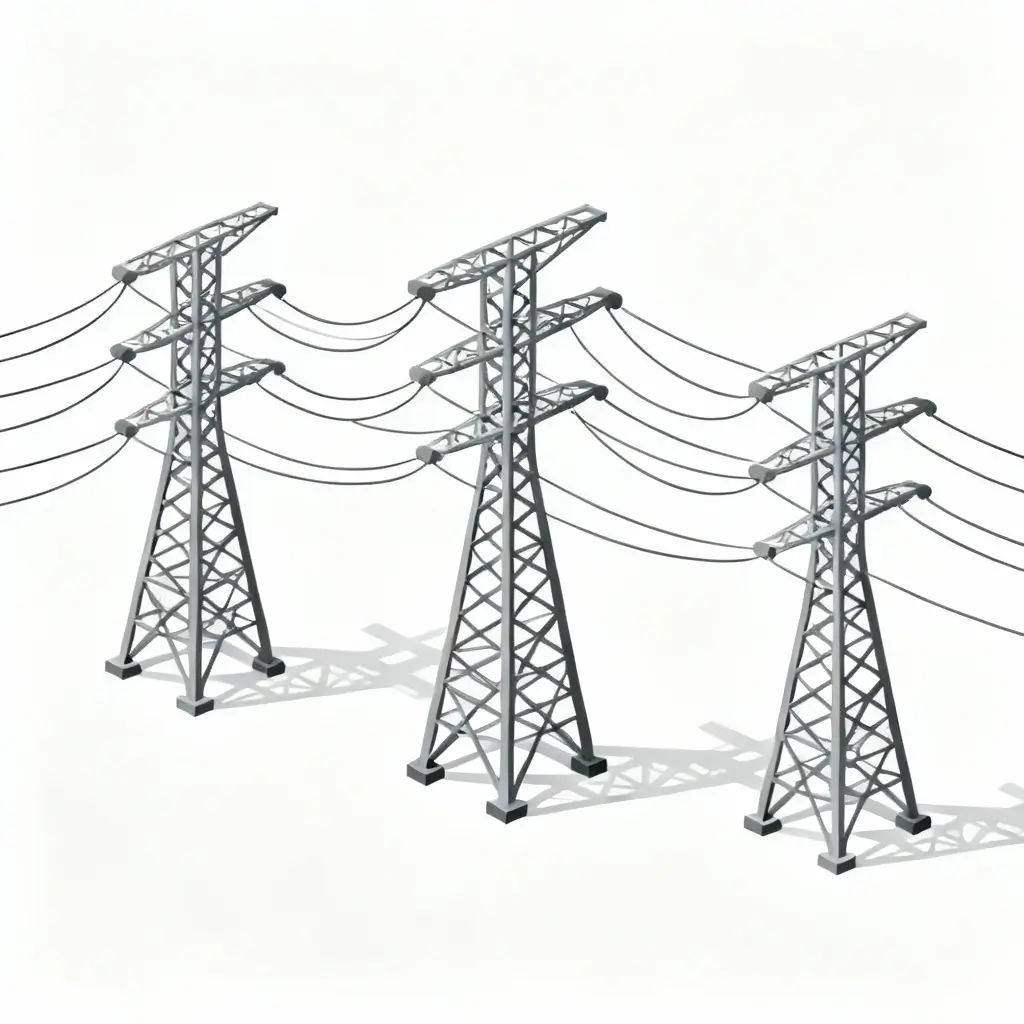
From the transformer substation, the high‑voltage AC electricity is fed into robust transmission lines, carried by tall transmission towers. These lines form part of the larger electrical grid, transporting the power across vast distances to population centers.
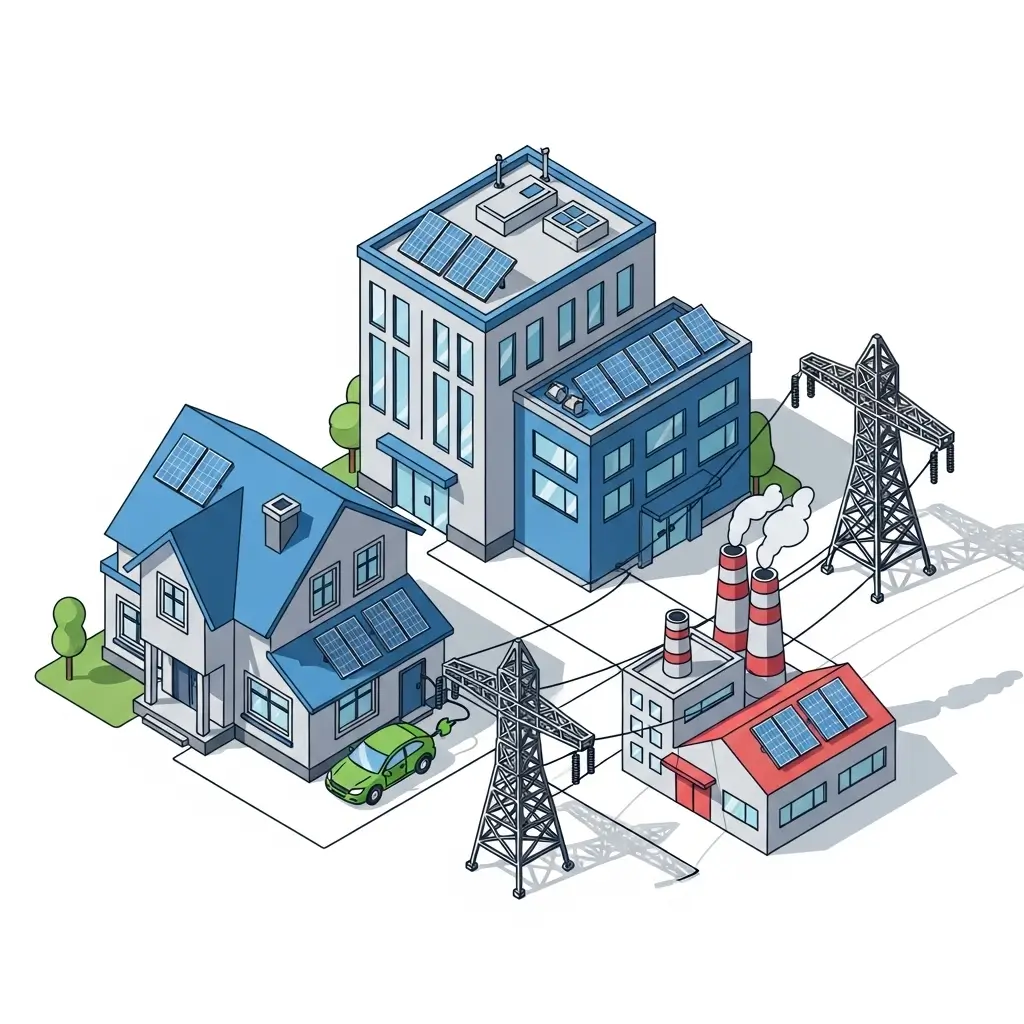
The electricity travels through the grid and is eventually distributed to various end‑users. This includes lowering the voltage for safe use in residential homes, commercial buildings, factories, and for charging electric vehicles. This is the point where power becomes accessible to consumers.
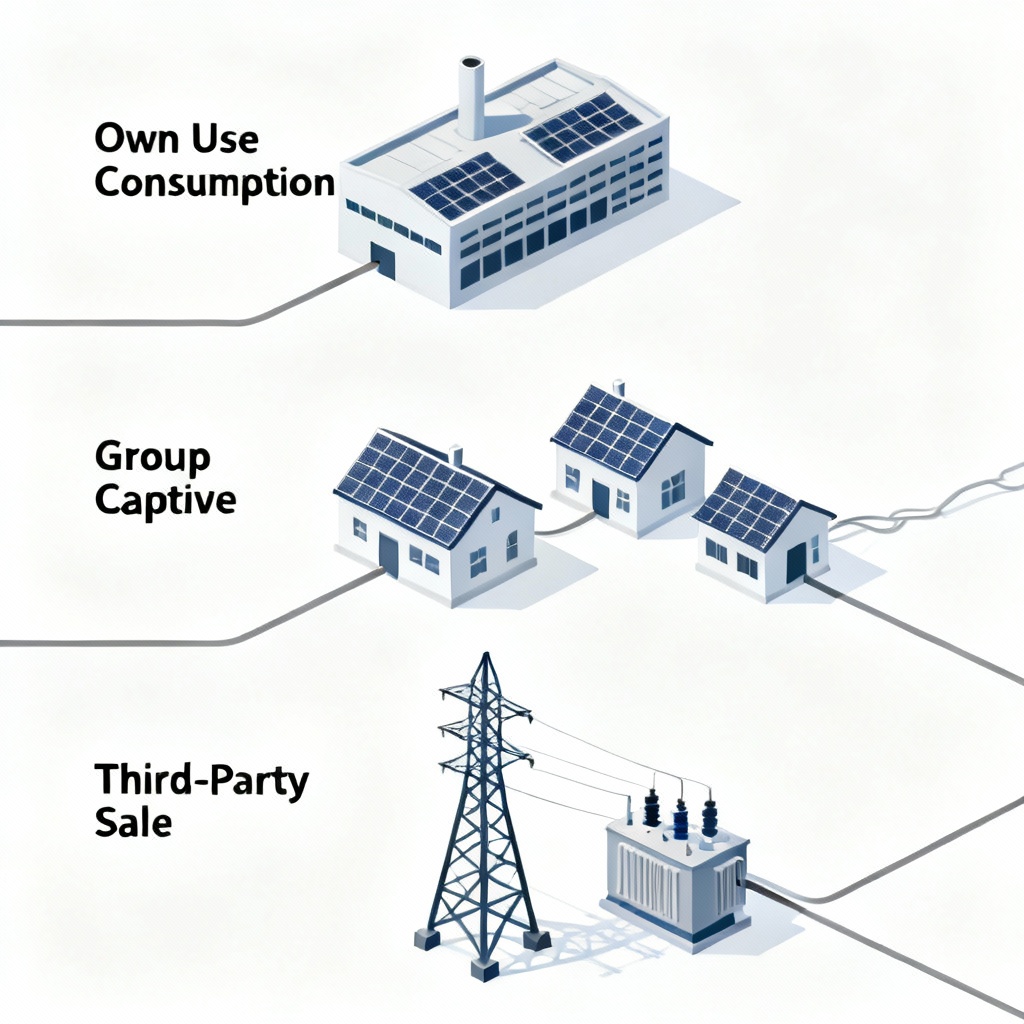
- Own Use (Captive): Generate power solely for one's own consumption, saving costs.
- Group Captive: Multiple businesses share investment and power from a single solar park.
- Third-Party Sale: Solar park sells power to utilities or other businesses via agreements.
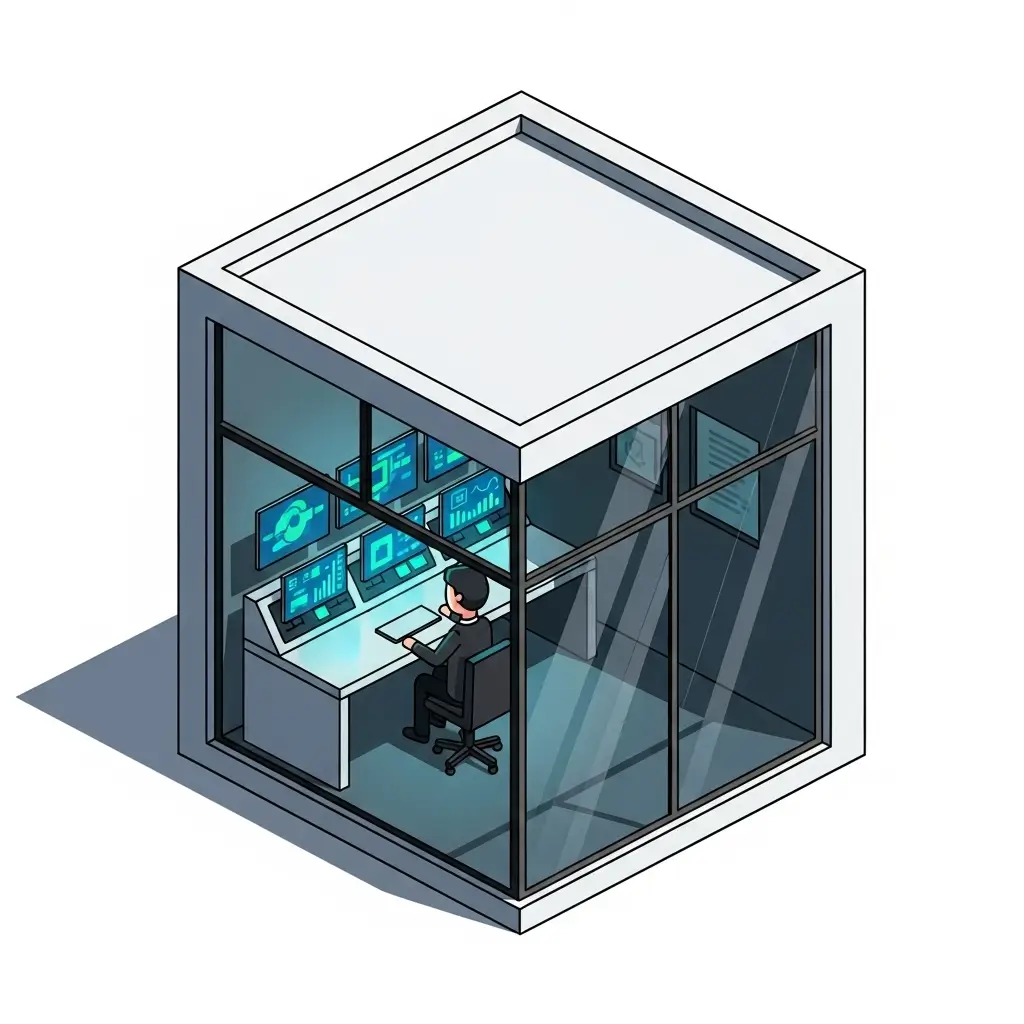
Throughout the entire process, a dedicated control room continuously monitors the solar park's performance. Technicians track energy output, identify any faults or inefficiencies, and manage maintenance schedules to ensure optimal operation, reliability, and safety of the power generation system.
Industries We Power
Industries Benefiting from Kondaas Solar Parks
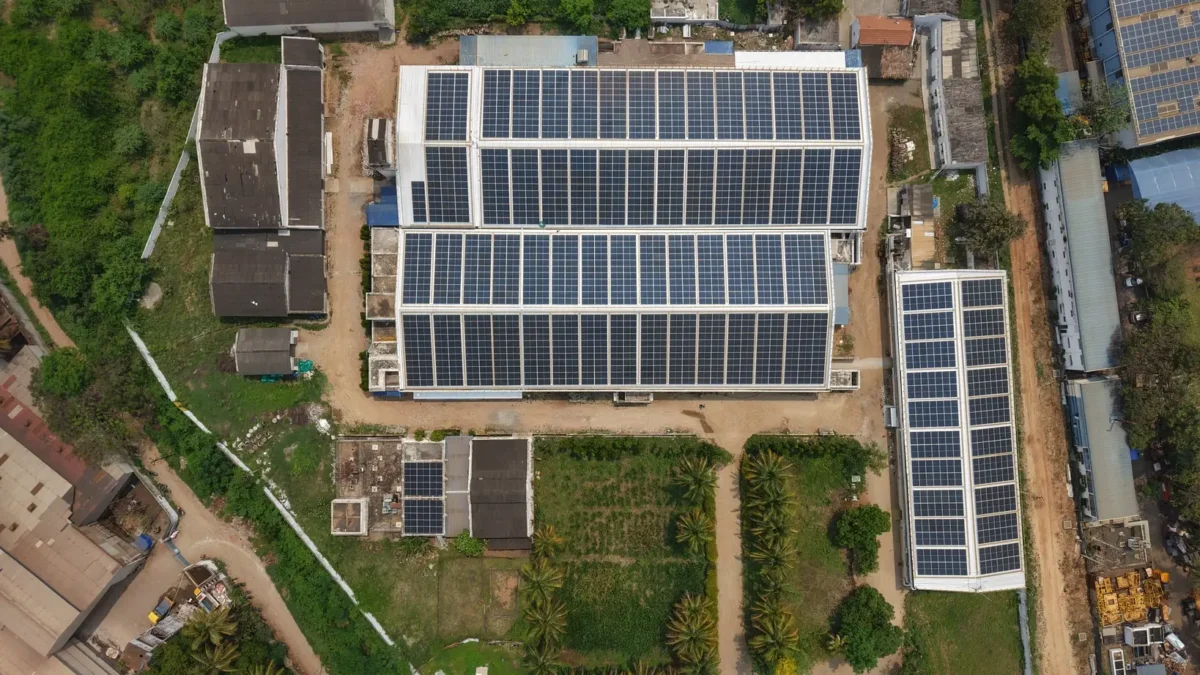
Our Completed Projects for Manufacturing Units Across South India
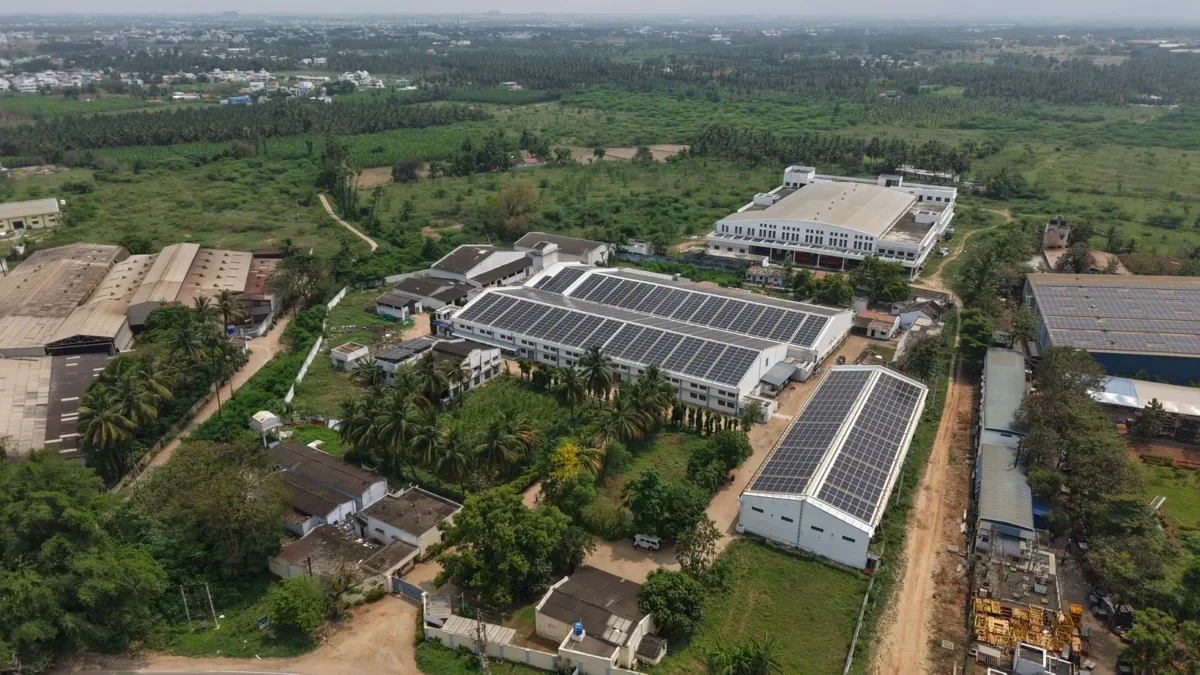
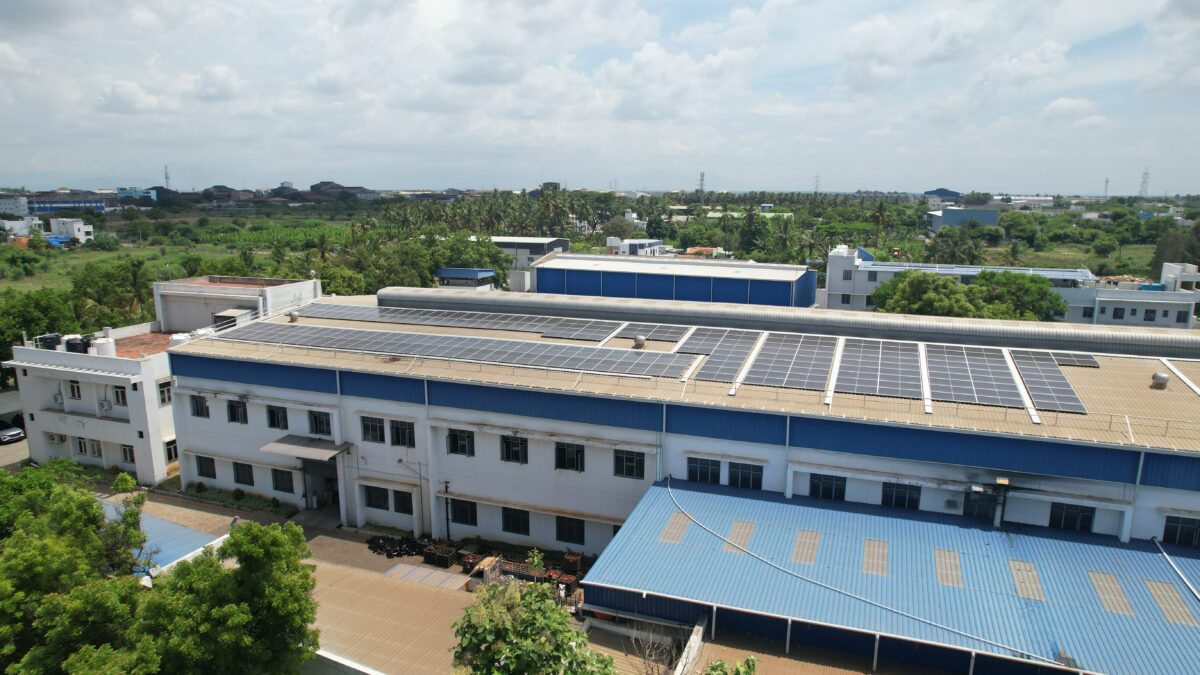
Our Completed Projects for Institutions Across South India
Our Completed Projects for Textile Industries Across South India
Our Completed Projects for IT Companies Across South India
Achievements
Top Industry Certifications We Hold
From ISO-audited quality management to IEC-standard components, these certifications aren't just paperwork they're the reason our solar parks meet strict safety and performance benchmarks project after project.
See what to check before choosing a certified solar installer →
Our Products
Branded Equipment for ALMM-Listed Solutions

Lithium Ion Battery in India – Reliable, Long-Life Energy Storage Solutions
Lithium-ion batteries deliver long service life, fast charging, and zero maintenance. Designed for Indian power

Solis-(100–125)K-5G Three-Phase Grid-Tied Inverter
The Solis-(100–125)K-5G series combines 10 MPPTs, up to 99% efficiency, and advanced safety features. Built

SolarEdge SE25K / SE30K / SE33.3K Three-Phase Inverter
The SolarEdge SE25K, SE30K, and SE33.3K three-phase inverters are optimized for use with SolarEdge power

SOFAR 3.3K~12KTLX-G3 Three-Phase Dual MPPT Inverter
The SOFAR 3.3K~12KTLX-G3 series offers efficient three-phase dual MPPT inverters with up to 98.6% efficiency.

Sungrow SG125HX Multi-MPPT String Inverter
The Sungrow SG125HX is a powerful 1500 Vdc string inverter built for utility-scale solar plants.

SMA Solid-Q 50kW Solar Inverter
The SMA SOLID-Q 50 is a reliable, high-yield inverter built for large commercial rooftops and

Growatt MID 11–30KTL3-XH Three Phase Inverter
The Growatt MID 11–30KTL3-XH is a high-efficiency three-phase inverter designed for residential and commercial solar

Deye SUN-8/10/12K-SG04LP3 Three-Phase Hybrid Inverter
A high-performance three-phase hybrid inverter designed for residential and commercial solar systems. It supports both

Adani Solar ELAN SHINE TOPCon Series (550W–575W Bifacial Panels)
The Adani ELAN SHINE TOPCon series offers high-efficiency bifacial solar panels ranging from 550W to

10 KW Adani Bifacial TOPCon Solar panel System
The 10 KW Adani Bifacial TOPCon system is designed for superior efficiency, delivering high output
Our Insights
Big Power, Big Savings with Kondaas Open Access Solar Parks
Tamil Nadu’s 2026 Energy Budget: 7 Solar & Grid Schemes You Need to Know
Find Us
Common Questions
About Our Services
What is the largest solar park in India?
Bhadla Solar Park in Rajasthan is the largest operational solar park in India and the world, spanning 14,000 acres in the Thar Desert with a total capacity of 2,245 MW.
How much land is required to build a solar park?
Land requirements vary by capacity, but as a general benchmark, utility-scale solar parks need approximately 4-5 acres per MW. A 50 MW solar park, for example, typically requires 200-250 acres of land.
Can farmers earn income from their land through solar parks?
Yes. Projects like Pavagada Solar Park in Karnataka were built on leased farmland, giving local farmers a steady monthly lease income while the land is used for large-scale solar power generation.
What is the difference between a solar park and a rooftop solar system?
A solar park is a large-scale, grid-connected installation (typically 1 MW to 500+ MW) built on open land to supply power to industries or state utilities, while rooftop solar is a smaller system installed on individual homes or buildings for self-consumption.
How long does it take to develop a solar park in India?
Depending on capacity and land readiness, solar park development typically takes 12-24 months, covering land acquisition, regulatory approvals, grid connectivity clearance, construction, and commissioning.